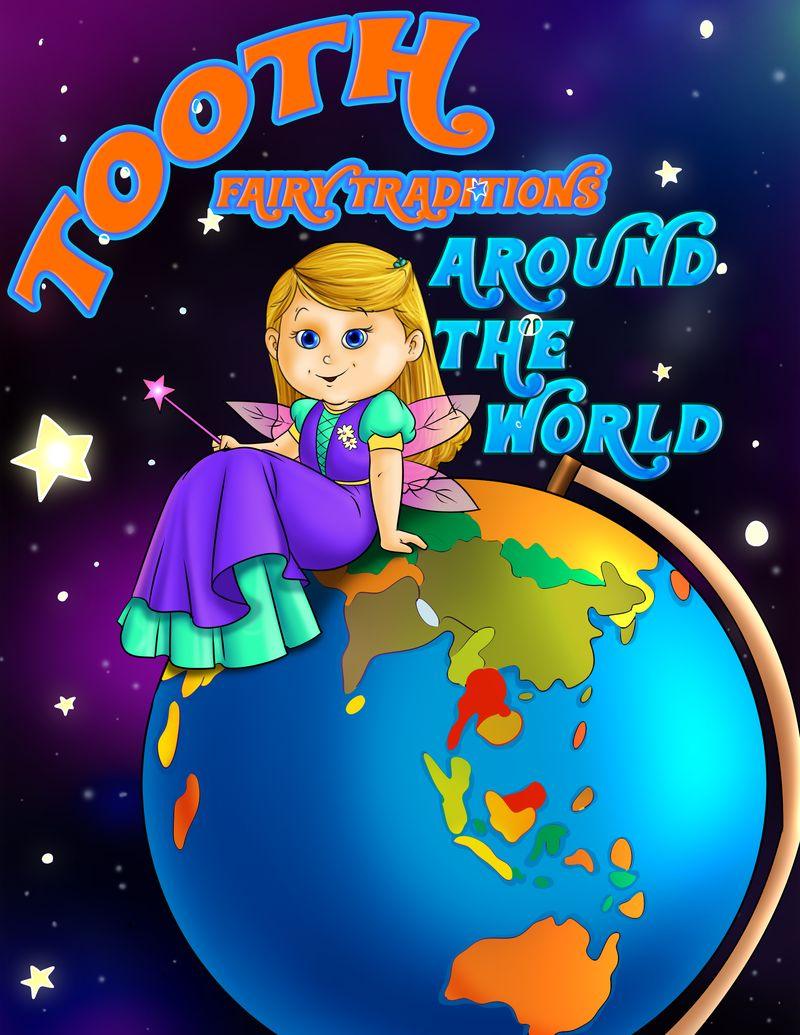
Every child has wondered about the tooth fairy. Where does she come from? How did she first learn her job? Who was there before the tradition even existed? For most of history, those questions went unanswered — until Zane Carson Carruth, award-winning fairy tale author and creator of the beloved Abella series, decided to write the origin story the world had been missing.
Meet the Fairy Tale Author Behind the Magic
Zane Carson Carruth is an internationally recognized children’s book author based in Houston, Texas, with a gift for weaving whimsy, warmth, and meaningful life lessons into stories young readers can’t put down. As a certified business etiquette and protocol professional and vice president of the Carruth Foundation, she brings a unique combination of storytelling craft and real-world purpose to everything she writes. Her work has earned her recognition as an ABC13 Woman of Distinction, a Top Inspiring Woman Impact Maker, a Houston Business Journal Women Who Mean Business honoree, and a St. Jude’s Woman of Philanthropy — a remarkable list that reflects the genuine impact her books have had far beyond the page.
As a fairy tale author, Carruth doesn’t simply retell familiar legends — she builds entirely new worlds from the ground up. Her trademarked Abella series does exactly that, imagining the origin of one of childhood’s most beloved traditions with originality, humor, and heart.
The Abella Series: An Adventure for Every Young Reader
The Abella series centers on Abella, a beautiful fairy from Tulip Hollow who, through a wild adventure involving a big old bee, stumbles into becoming the World’s First Tooth Fairy — Ever. What begins as an unexpected journey quickly becomes a rich, expanding universe of friendship, bravery, kindness, and discovery that children and parents return to again and again.
As the Abella series writer, Carruth has grown the collection into a full library of adventures. Readers can follow Abella and her best friend Darcie as they receive their magic wands, graduate from tooth fairy school, befriend a mama cow and her calf at the Houston rodeo, get fabulous new hairdos, encounter a haunted house, and cheer alongside an almost-racehorse. Each book in the Abella series carries its own complete adventure while building the deeper friendship and loyalty at the heart of the series — a throughline that teaches children something genuinely valuable about what it means to be a good friend.
Spanish-language editions of several titles make the Abella series accessible to bilingual families, reflecting Carruth’s commitment to reaching as many young readers as possible with stories that celebrate imagination and character.
Award-Winning Stories That Last
The World’s First Tooth Fairy…Ever has earned the Story Monsters Seal of Approval, the Purple Dragonfly Book Award, and the Parent & Teacher Choice Award — recognition that speaks to the book’s quality not just as entertainment, but as a meaningful addition to any child’s library. As a fairy tale author, Carruth has demonstrated that original storytelling rooted in genuine warmth resonates with children, educators, and parents alike.
Find the Abella Series Today
The complete Abella series is available at major retailers including Amazon, Barnes & Noble, Walmart, and the Houston Livestock Show & Rodeo store. Whether you’re introducing a child to the magic of the tooth fairy for the first time or looking for a gift that will be read again and again, Zane Carson Carruth‘s books belong on every young reader’s shelf. Visit worldsfirsttoothfairy.com to explore the full collection and bring a little Tulip Hollow magic home today.